





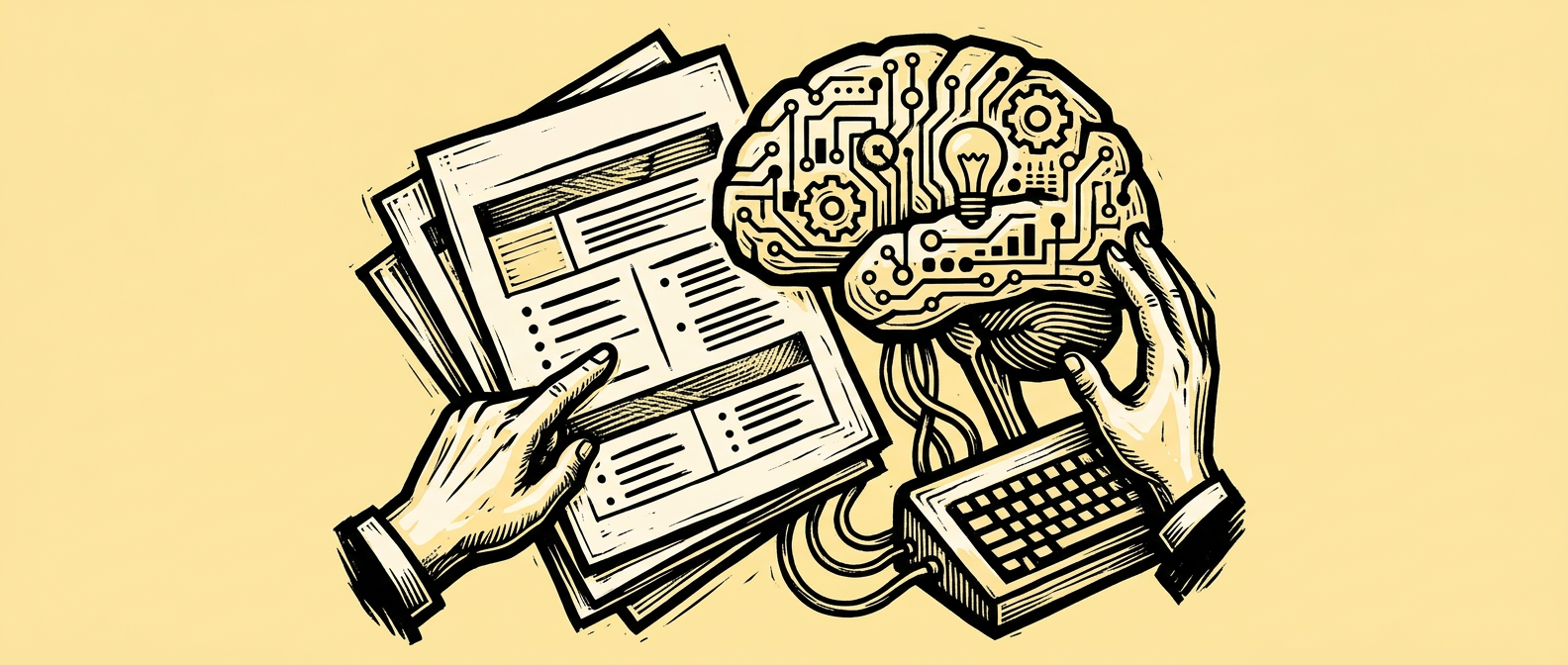
What Entrepreneurs Really Think About Using AI to Write Business Plans

Jump to

I recently asked Reddit users about their experiences using ChatGPT and other AI tools for business planning. The responses revealed something important: AI is helpful, but it's not the solution most entrepreneurs hoped it would be.
If you're considering using AI to help write your business plan, here's what actual users say works, what doesn't, and where you still need human judgment.
The Promise vs. The Reality
When ChatGPT first became popular, it seemed like a perfect solution for business planning. No more staring at a blank page. No more struggling to describe your business strategy. Just tell the AI what you need, and it generates a plan for you.
But the reality is more complicated.
As one user put it: "Chat gpt wants to make you happy. It might improve/clarify your wording, but you have to really scrutinize everything it does. It will straight up make up laws/processes, cite legal cases that don't exist or the quotes aren't actually in there, fabricate statistics, etc. It's not a reliable source of information."
That's the central tension. AI can write beautiful-sounding business plans. The question is whether those plans are actually any good.
Where AI Actually Helps
Despite the limitations, entrepreneurs find real value in AI for specific tasks.
Beating Writer's Block
The most consistent praise for AI is its ability to get you started. One user explained: "It's great for brainstorming when you're stuck and don't know how to describe your idea." Another noted it can "organize your thoughts into sections like market analysis, operations, marketing, etc."
When you're staring at a blank document, AI gives you something to react to. That's valuable.
Structure and Templates
AI excels at creating frameworks. Users report that it "can deliver a good structure to work off of" and helps with "structured templates" that organize a business plan into standard sections.
One entrepreneur described their process: "I found that if you give it a detailed description of what you want then it can deliver a good structure to work off of. I think my prompt was 'new entertainment center in X area with these zip codes, estimated X dollars per quarter in expenses, open hours are X-Y on these days, etc etc.'"
The key word is "structure." AI provides the scaffolding. You still need to build the house.
Grammar and Polish
For non-native English speakers or people who struggle with writing, AI serves as an editing assistant. It can take rough notes and turn them into professional business prose. As one user put it, AI is "useful for overcoming writer's block, structuring sections, cleaning up your wording."
Where AI Falls Dangerously Short
The problems with AI for business planning aren't small inconveniences. They're fundamental limitations that can undermine your entire plan.
The Generic Output Problem
The most frequent complaint is that AI produces vague, generic advice that doesn't reflect your specific business.
One user captured this perfectly: "Sometimes it writes very generic info that doesn't match your real business." Another noted: "Generic advice, missed nuances in my niche had to fact check heavily."
When you ask AI to create a business plan, it generates the average advice for an average business. If your business has any unique angles—and good businesses do—the AI misses them.
Financial Projections Are Unreliable
This is where AI becomes dangerous rather than just unhelpful.
Multiple users reported problems with financial forecasting: "It often guesses numbers for financials and those guesses can be way off." Another was more blunt: "ChatGPT just is not capable of helping very much with [the financial] section."
Here's why this matters: AI doesn't understand your business model, your costs, or your market. It can't model cash flow timing. It doesn't know that your industry has Net-90 payment terms or that your rent is higher than average because of your location.
One experienced user put it this way: "ChatGPT aggregates whatever's out there. Even if whoever wrote it has no idea wtf they're talking about. On average, it'll probably still get you 60% there, so it's not completely useless. But if you're going to halfass it, take credit for your own work."
Sixty percent of a business plan isn't good enough when you're asking a bank for money.
Market Research Gets Fabricated
Several users warned about AI inventing statistics and market data. As one noted: "Local laws, licenses, and industry details can be wrong or outdated."
The problem is that AI presents fabricated information with complete confidence. It doesn't say "I'm not sure about this." It just makes up a number and presents it as fact.
One user summarized the risk well: "AI doesn't know your business you do. So if someone just copies whatever it writes, banks or investors can spot it quickly."
The Expertise Gap
The most insightful observation came from a user with business strategy experience: "AI tools are incredibly powerful when the user knows their sh** and can interpret the outcome. So for me, as someone with 10+ years of business strategy experience, I was able to use AI tools move quickly thru data sets and distill a strategy. Give it to someone with no domain expertise, and it can send them absolutely in the wrong direction."
This captures the paradox: AI is most useful for people who least need it. If you already know how to write a business plan, AI can speed up the process. If you don't know what a good business plan looks like, AI can't teach you.
Another user made the same point differently: "The issue is, if you don't know how to put a business plan together, then you don't know what to feed into an AI tool to get a decent business plan back out. And if you've not seen a good business plan before, then you have no idea if what's coming out is good or not."

The Better Approach
Based on what works for actual entrepreneurs, here's how to use AI effectively for business planning:
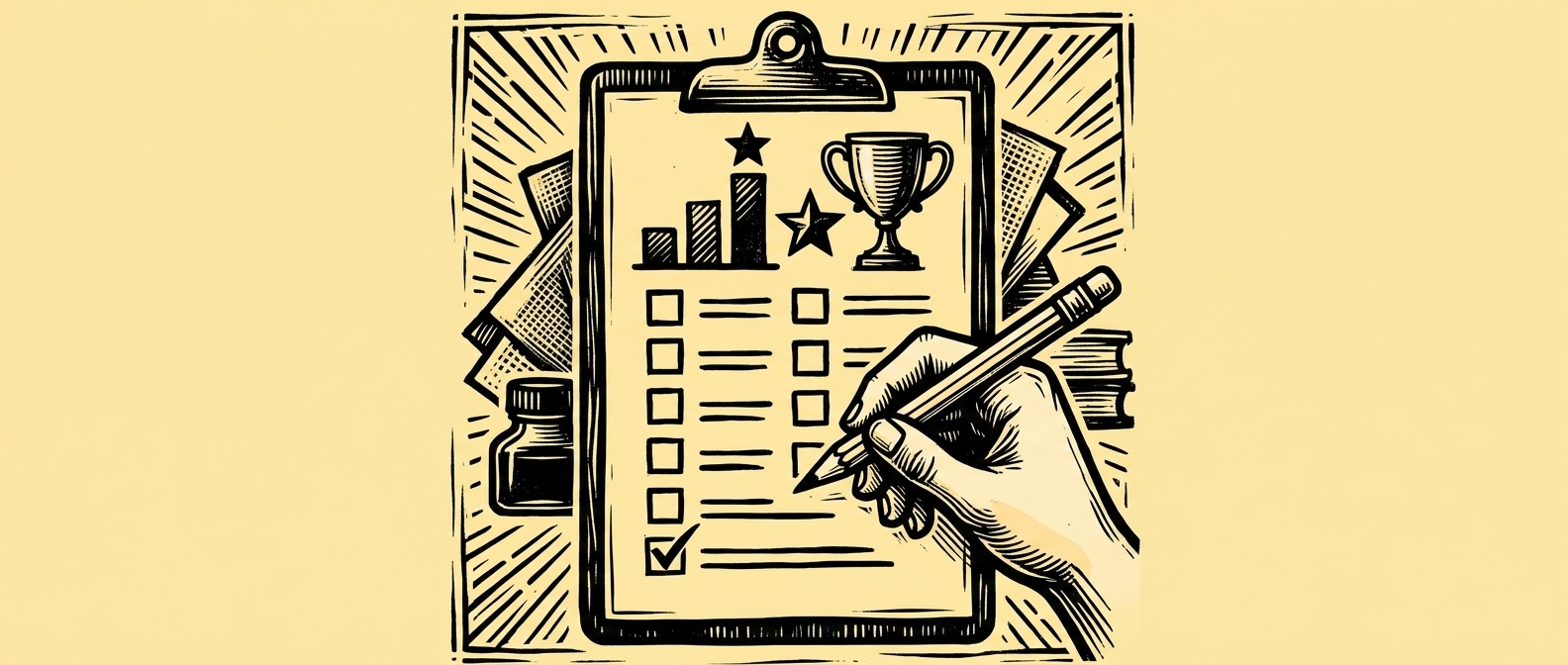
Use AI to create a structure → then fill in the real details yourself → and double-check every claim, especially the financial part.
Don't ask AI to write your entire plan. Instead, use it for:
- Generating an initial outline
- Drafting boilerplate sections (like legal structure)
- Improving your writing after you've created rough content
- Brainstorming when you're stuck on how to explain something
But do the strategic thinking yourself. You need to:
- Develop your own financial projections based on real research
- Validate your market assumptions through customer conversations
- Understand your competition through actual analysis
- Build financial models that reflect your specific business
As one user advised: "There's nothing wrong with using tools available to you but you are responsible for the final product."
Where Structured Tools Make the Difference
Here's where the conversation gets practical. If AI can't handle the financial modeling and tends to produce generic strategy, what should you use instead?
This is where tools built specifically for business planning have a real advantage.
The Math Actually Works
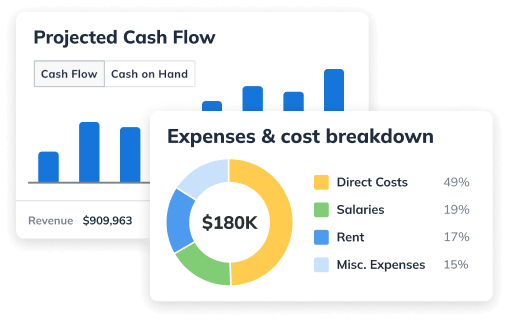
AI generates text based on patterns in its training data. Business planning software like LivePlan is built on accounting logic. When you create a forecast, the software ensures that your balance sheet balances, your cash flow statement reconciles, and your numbers are internally consistent.
One Reddit user explained the problem with AI math: "ChatGPT calculated wrong numbers for a steel design problem and cited a non-existent manual." Another found that AI "cannot reconcile the 'Cash' line between the Balance Sheet and Cash Flow statement."
A specialized tool doesn't have this problem because it's enforcing accounting rules, not predicting the next most likely word.
The Questions You Don't Know to Ask
Good business planning software guides you through questions that most first-time entrepreneurs don't think about:
- When do customers actually pay you? (Not when you send the invoice)
- When do you have to pay your suppliers?
- What happens to your cash flow if sales are 20% lower than expected?
These timing questions matter enormously for survival, especially for businesses with payment terms like Net-30 or Net-90. ChatGPT won't ask these questions because it doesn't know your payment terms affect your cash position.
Industry Benchmarks Replace Guesswork
Instead of AI making up statistics, tools like LivePlan provide actual industry data. You can see what the average gross margin is for businesses like yours, what typical operating expenses look like, and whether your projections are wildly optimistic or realistic.
This is particularly valuable when you're presenting to lenders or investors. You're not just saying "I think my rent will be $3,000/month." You're saying "My rent projection aligns with the industry average for businesses my size in this location."
When to Use What
Think of it this way:
Use AI when you need:
- Help getting started with an outline
- Assistance explaining your business concept clearly
- Grammar and writing improvements
Use structured planning software when you need:
- Financial projections that actually work
- Cash flow modeling with proper timing
- Industry benchmarks to validate your assumptions
- A plan you're going to show to a bank or investor
You can use both. AI can help you write the narrative sections. Planning software handles the numbers and structure. But trying to use AI for everything leads to the problems Reddit users consistently report.
Exporting Your Work
When the time comes to shift from working with a generic chatbot like ChatGPT, you’ll want to make sure to use a tool that allows you to easily import the work you’ve already done. If you use LivePlan, you can upload any documents you already have, including messy notes, research, or even draft business plans and forecasts. LivePlan will then use all of this information to help you create a structured business plan. If you need help exporting your work from ChatGPT, you can check out our guide with example prompts.
The Bottom Line
AI is a useful assistant for business planning, not a replacement for strategic thinking.
Use it to get past writer's block. Use it to structure your thoughts. Use it to polish your writing.
But don't trust it with your financial projections. Don't accept its market research without verification. And don't let it make strategic decisions for your business.
As one entrepreneur put it: "I'd use it as a rough-draft buddy, not as the main author."
That's good advice. AI can help you start faster, but you have to finish properly.

Noah Parsons
Before joining Palo Alto Software, Noah Parsons was an early Internet marketing and product expert in the Silicon Valley. He joined Yahoo! in 1996 as one of its first 101 employees and become Producer of the Yahoo! Employment property as part of the Yahoo! Classifieds team before leaving to serve as Director of Production at Epinions.com. He is a graduate of Princeton University.Noah devotes most of his free time to his three young sons. In the winter you'll find him giving them lessons on the ski slopes, and in summer they're usually involved in a variety of outdoor pursuits.Noah is currently the COO at Palo Alto Software, makers of the online business plan app LivePlan.
More in Planning
planning
The 8 Best Business Plan Software Tools in 2026 — Ranked and Compared
planning
Good Market Research Makes Better Pitches — and Better Plans

planning
How to Write an eCommerce Business Plan + Template

planning


