



The Real Difference Between Business Plan Tools (and How to Pick One)

Jump to
Quick answer: Not all business plan tools solve the same problem. Some are really writing tools — they help you produce a polished-looking document fast. Others are true planning tools — they connect your financials, ground your market research in real sources, pressure-test your assumptions, and stay useful after the plan is written. If you're choosing between them, start by asking what job you actually need the tool to do.
Writing tools vs. planning tools
A lot of founders look for a business plan tool the same way they shop for any other software. They compare prices. Maybe they look at templates. Maybe they ask whether it has AI. That is understandable. But it is not really the right question. The real difference between business plan tools is not whether they can help you produce a document. At this point, a lot of tools can do that.
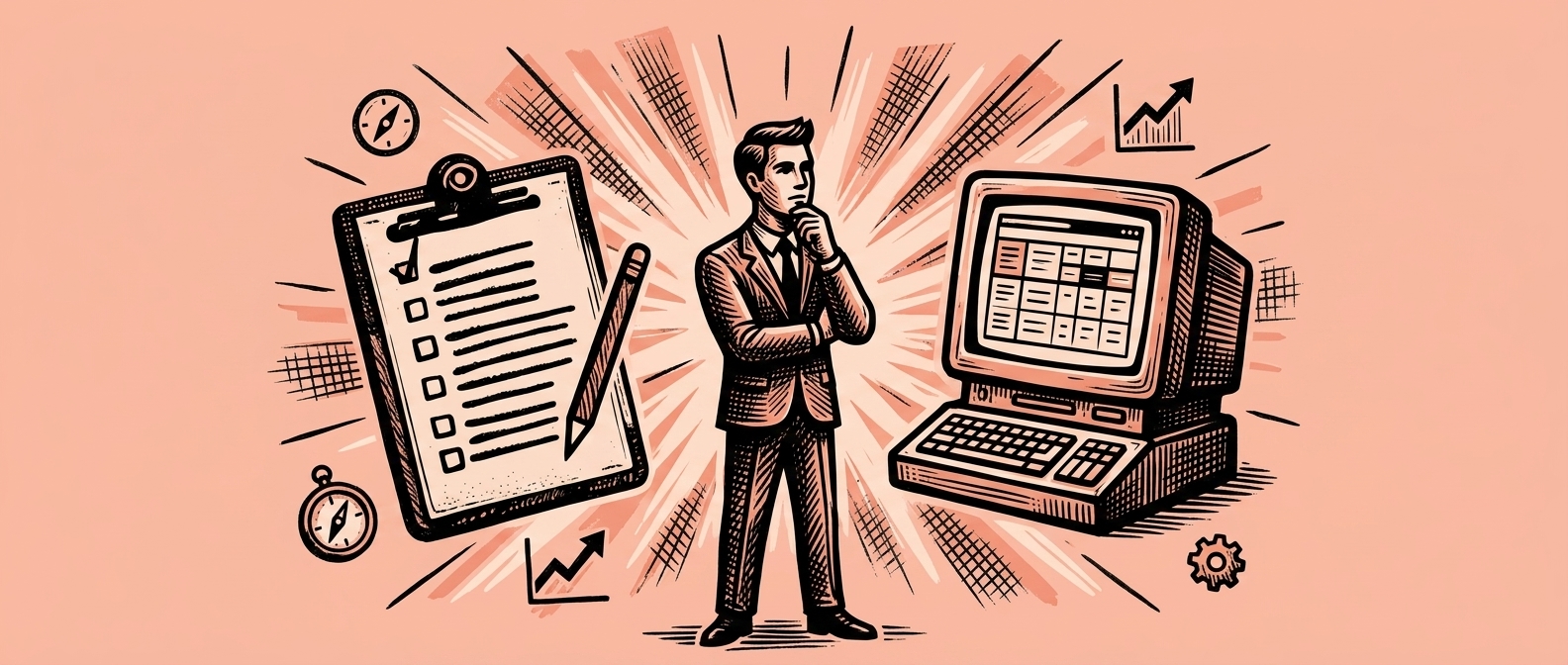
The real question is: what job do you need the tool to do? Because not all business plan tools solve the same problem. Some tools are really writing tools. They help you draft sections of a plan, organize the content, and turn a blank page into a finished-looking document. That can be useful if you need a quick draft or a starting point. But a finished-looking plan is not always a useful plan.
Other tools are really planning tools. They help you think through the business model, build a real forecast, connect your research to your strategy, and pressure-test the assumptions behind the plan. That is a very different outcome. And if you are trying to secure funding, build a pitch, make a major business decision, or actually use the plan after launch, that difference matters.
So if you are choosing a business plan tool, here are the questions I think matter most.
5 questions that matter when choosing a business plan tool
1. Do you need help writing or help planning?
These are not the same thing. A writing tool can help you move faster. It can suggest phrasing, generate sections, and help you organize the document. A planning tool should go further. It should help you think through whether the business makes sense, not just whether the paragraph sounds polished. If your biggest challenge is getting started, a lighter writing-focused tool may be enough. If your biggest challenge is making real decisions, defending assumptions, or preparing for funding, you probably need more than generated text.
2. Are the financials actually connected?
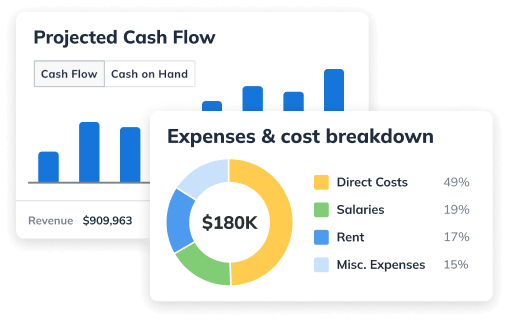
This is one of the biggest differences in the category. A lot of tools can generate a table that looks like projections. That is not the same thing as a real forecast. If one number changes, do the rest of the statements update logically? Can you build a real profit and loss statement, cash flow forecast, and balance sheet that work together? If your plan will be reviewed by a lender, investor, or partner, this matters a lot. You need financials that are vetted, with numbers that flow from your P&L to your balance sheet, to your cash flow forecast. You need financials that are realistic and help you make decisions, and you need financials that can easily help you create multiple “what if” scenarios.
3. Is the market research credible?
AI-generated market research can sound convincing without actually being very useful.
So ask:Is the research grounded in real sources?Can you verify it?Could you defend it if someone asked where the number came from?
If not, the research may make the plan look complete without strengthening i. And if the market research is not from validated, real sources, then the research is not real and won’t actually help you with your business plan.
4. Will the tool help you prepare for funding?
A finished business plan is not automatically a fundable one. A stronger business plan tool should help you see where the logic is weak, where assumptions are unsupported, and what a lender or investor is likely to question. A real business planning tool will product a business plan that is right, and one that can hold up to lender questions. That is very different from simply helping you fill in every section.
5. Can you keep using the plan after it is written?
This is another place where some tools fall short. For many founders, the plan becomes a dead document the minute it is done. A stronger planning tool should help you keep using the work — whether that means comparing actual performance to your forecast, updating assumptions, or turning the plan into a pitch. That is what makes the tool more than a writing aid. That is what makes it part of running the business.
That is why I think the best business plan tools are the ones that support the full process
Not just the document.
LivePlan helps you build a plan that is right. If all you need is a quick AI-generated draft, there are lighter tools that can help. But if you need to validate the idea, build connected financials, use credible research, review the plan for funding readiness, create a pitch deck, and keep using the plan after launch, you need a tool that does more than generate text.
It helps you move from idea to market research to forecast to plan to review to pitch, all in one system. And if that is the job you actually need a business plan tool to do, the difference is significant.
Because the best business plan tool is not the one that produces the prettiest document the fastest.
It is the one that helps you make better decisions.

The bottom line
That is where LivePlan stands out. It helps you move from idea to market research to forecast to plan to review to pitch, all in one system. And if that is the job you actually need a business plan tool to do, the difference is significant.
Because the best business plan tool is not the one that produces the prettiest document the fastest.
It is the one that helps you make better decisions. If you want to see how the 8 best business plan software tools stack up against each other, that is a good next place to look.
FAQ
A writing tool helps you produce a polished-looking document — drafting sections, organizing content, and turning a blank page into something that looks finished. A planning tool goes further: it helps you think through whether the business actually makes sense, with connected financials, credible market research, and assumptions you can defend.
Yes. A real forecast means your profit and loss statement, cash flow forecast, and balance sheet all update together when one number changes. If your plan will go in front of a lender, investor, or partner, disconnected numbers that only look like projections won't hold up.
Ask whether the research is grounded in real, verifiable sources and whether you could defend a number if someone asked where it came from. AI-generated research that isn't sourced from real data can sound convincing without actually strengthening your plan.
You should be able to. A strong planning tool doesn't stop being useful once the document is done — it should let you compare actual performance to your forecast, update assumptions as the business changes, and turn the plan into a pitch when you need one.

Sabrina Parsons
Sabrina has served as CEO of Palo Alto Software since 2007. She and her husband, Noah, founded a UK software distribution company in 2001 that was acquired by Palo Alto Software in 2002. Sabrina is a successful Internet expert, having served as Director of Online Marketing at Commtouch, Senior Producer at Epinions, and founder of her own Web consulting company, Lighting Out.